



Short-term rentals inside Branson, Missouri city limits require an STR Permit issued by the Branson Fire Department after an approved fire safety inspection, under Ordinance No. 2024-0065, which took effect on May 1, 2025. That permit expires three years after the approval date and transfers with new ownership if the property sells. Branson also applies a 4% tourism tax to short-term rental stays, due by the 20th of each month, and the city states plainly that no third-party platform, including Airbnb and Vrbo, is authorized to remit that tax on an owner’s behalf. Thousand Hills Vacations manages rentals in Branson, Hollister, Indian Point and Kimberling City, where the rules an owner answers to change depending on which jurisdiction the property actually sits in.
Last Updated: August 2026
Table of Contents
- Do You Need a Permit to Run a Short-Term Rental in Branson?
- What Changed Under Branson Ordinance No. 2024-0065?
- How Do You Get a Branson Short-Term Rental Permit?
- Which Taxes Do Branson Short-Term Rental Owners Owe?
- Does Airbnb or Vrbo Pay Branson’s Tourism Tax for You?
- Do Branson’s Rules Apply Outside the City Limits?
- What Happens if a Tourism Tax Payment Is Late?
- Should You Handle Branson Compliance Yourself?
- Frequently Asked Questions
Every short-term rental operating inside Branson, Missouri city limits needs an STR Permit from the Branson Fire Department, a city business license, and a monthly 4% tourism tax payment that no booking platform will file on the owner’s behalf. Thousand Hills Vacations has managed vacation rentals across the Branson and Table Rock Lake area for more than 30 years, and the costliest mistake owners make is assuming Airbnb collects and remits everything the city is owed. Owners weighing whether to carry that filing calendar themselves or hand it to a local team can compare what full-service management in Branson actually covers before committing either way.
Do You Need a Permit to Run a Short-Term Rental in Branson?
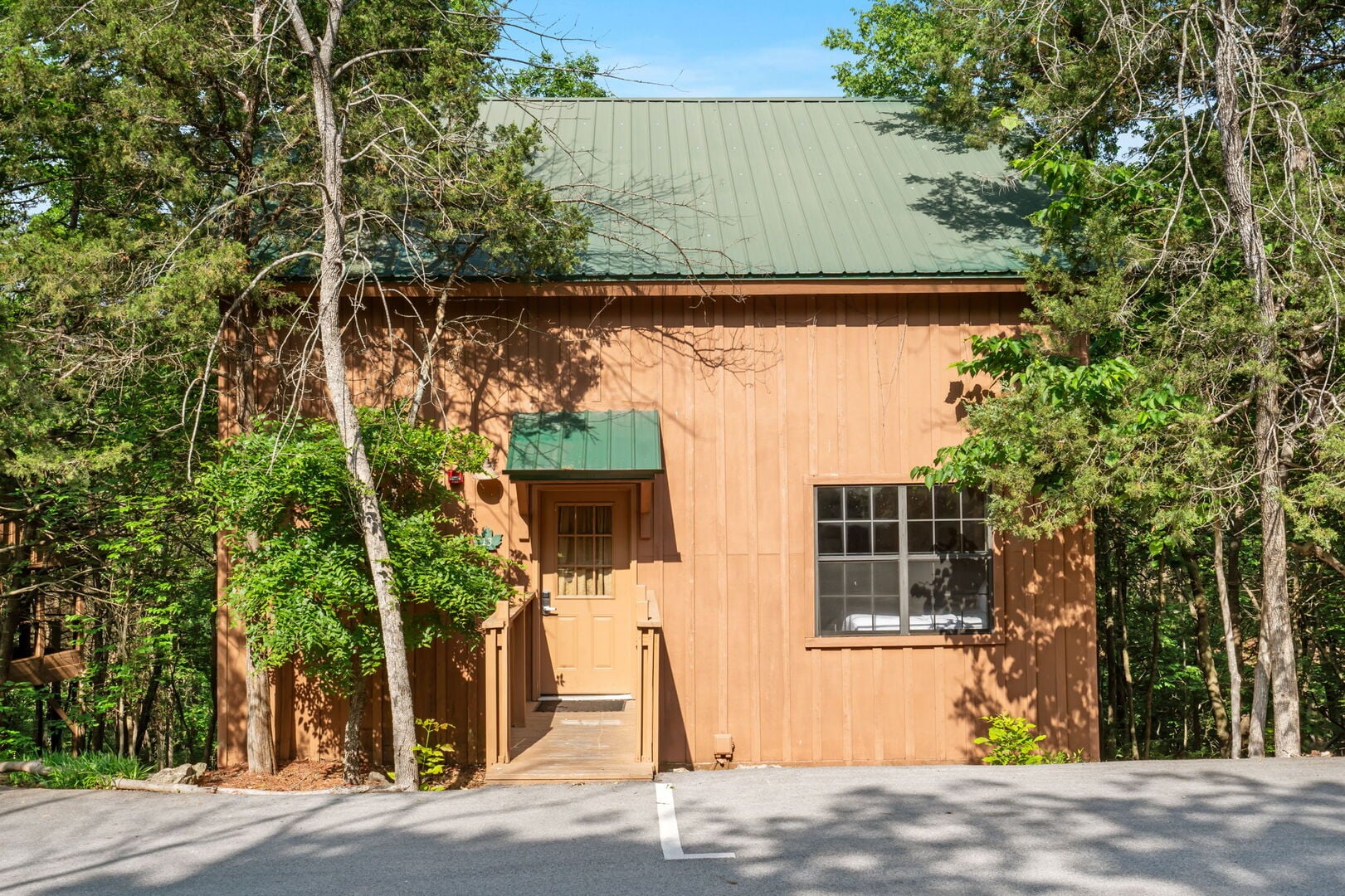
Yes. Any dwelling unit inside Branson city limits offered for lodging for at least one night and no more than 30 consecutive days requires an STR Permit, which the Branson Fire Department issues after an approved fire safety inspection. The city’s definition excludes primary residences and established lodging establishments, so a hotel or a homeowner’s own residence falls outside the rule.
An approved STR Permit expires three years after its approval date, and the City of Branson confirms it can be transferred with new ownership. For an investor buying an already-permitted cabin near Silver Dollar City, that transferability is worth checking during due diligence, because it can save a new owner an inspection cycle at closing.
The city also asks operators to confirm the property address actually falls inside Branson city limits using the city’s mapping tool. A Branson mailing address does not automatically place a property inside the municipal boundary, and that single check determines which rulebook applies.
What Changed Under Branson Ordinance No. 2024-0065?
Ordinance No. 2024-0065 took effect on May 1, 2025 and moved the City of Branson to short-term rental terminology exclusively, retiring the older “nightly rental” language. Permitting now runs through a fire safety inspection on a fixed three-year cycle.
Two requirements catch owners off guard because they apply inside the unit rather than on paper. Each short-term rental must display an STR Emergency Safety Plan and an emergency evacuation map where guests can see them. Owners are also expected to complete a self-guided walkthrough using the city’s STR Self Inspection Guide before scheduling the official inspection, which is the step that most often separates a first-time pass from a repeat visit.
How Do You Get a Branson Short-Term Rental Permit?
The sequence matters more than the paperwork. Branson issues the STR Permit through the Fire Department after inspection, with business licensing and tourism tax registration running alongside it, so an owner who starts at the wrong end waits longer than necessary.
- Confirm the property address sits inside Branson city limits using the city’s mapping system, since a Branson mailing address does not guarantee it.
- Work through the City of Branson STR Self Inspection Guide as a self-guided walkthrough of the unit.
- Schedule the fire safety inspection through the city’s Short Term Rental Inspection Portal.
- Pass the inspection and receive the STR Permit from the Branson Fire Department.
- Complete the city business licensing application, which includes a one-time tourism tax bond.
- Post the STR Emergency Safety Plan and the emergency evacuation map inside the unit.
- Begin remitting the 4% tourism tax through the city’s Citizenserve portal by the 20th of each month.
The City of Branson does not publish the STR permit fee, the business license fee or the tourism tax bond amount on its public short-term rental pages. Several third-party guides quote specific dollar figures for all three. Because those numbers do not appear in the city’s own published material, owners should confirm current amounts directly with Branson business licensing rather than budgeting from a blog post, this one included.
Which Taxes Do Branson Short-Term Rental Owners Owe?
Branson short-term rental owners owe a 4% city tourism tax on accommodation, remitted directly to the City of Branson, on top of applicable state and local sales tax. The tourism tax applies to hotels, motels, short-term rentals, condominium units, timeshares, campgrounds and tourist courts at the same 4% rate.
| Obligation | Rate or requirement | Who collects it |
|---|---|---|
| Branson tourism tax on accommodation | 4% | City of Branson, via the Citizenserve portal |
| Filing deadline | By the 20th of each month | City of Branson |
| Tourism tax bond | One-time, paid during business licensing | City of Branson, refundable after three consecutive years of timely payments |
| State and local sales tax | Varies by exact address | Missouri Department of Revenue |
Combined sales tax rates in the Branson area vary by precise address because of special taxing districts layered across the Highway 76 corridor, known locally as the Strip, and the wider Branson and Lakes area. Pull the rate for the specific parcel from the Missouri Department of Revenue rather than applying a single figure quoted for the city as a whole.
Does Airbnb or Vrbo Pay Branson’s Tourism Tax for You?
No, and this is the compliance gap that costs Branson owners the most money. The City of Branson states directly that “there is no third-party platform authorized to remit tourism tax payments to the City of Branson on your behalf (i.e. AirBnB, VRBO, etc.).” An owner who assumes the platform handles every tax accrues an unpaid city liability every single month a guest stays.
The confusion is understandable, because Airbnb does collect and remit certain state and local sales taxes in Missouri automatically. That partial automation reads to most owners as full coverage. Branson’s 4% tourism tax sits outside it, is owed to the city rather than the state, and has to be filed by the operator through the city’s own portal. An owner running a two-bedroom lake condo at a modest occupancy can build a four-figure arrears position inside a single season without ever seeing a warning.
Do Branson’s Rules Apply Outside the City Limits?
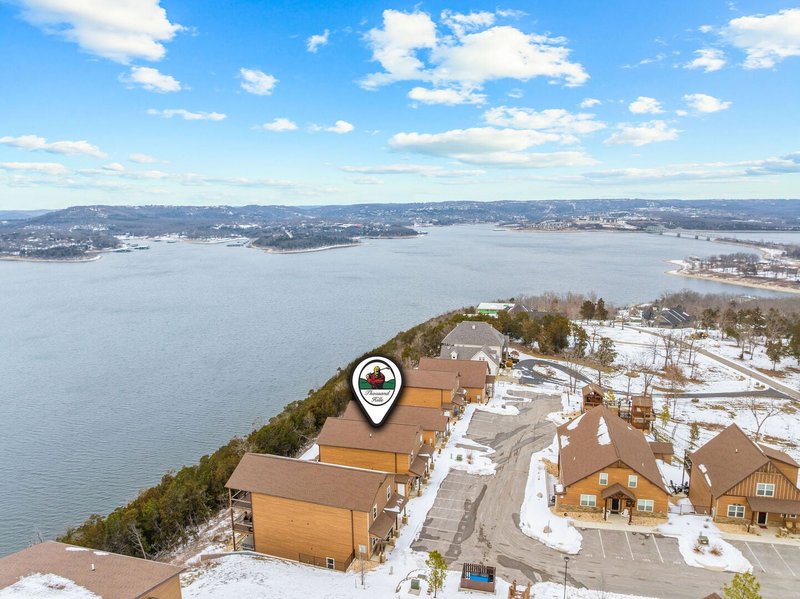
No. Ordinance No. 2024-0065 governs properties inside Branson city limits only, and a rental a few miles away can answer to an entirely different authority. Missouri has no single statewide short-term rental license, so permitting is handled municipality by municipality and county by county.
The portfolio Thousand Hills Vacations manages illustrates the split clearly, because it spans several jurisdictions at once:
- A property inside Branson city limits follows Ordinance No. 2024-0065, the Fire Department permit process and the city’s 4% tourism tax.
- A property in Hollister answers to the City of Hollister, which levies its own 5% tourism tax on nightly rentals, so an owner there should confirm the current licensing position with the city.
- A property at Indian Point sits outside Branson city limits in Stone County, and Indian Point is its own incorporated village, running its own planning and zoning and its own business licensing rather than answering to the Branson ordinance.
- A property in Kimberling City also sits in Stone County, with its own city rules, despite being marketed as part of the same Table Rock Lake vacation area.
Unincorporated Taney County falls under county zoning rather than the Branson ordinance, so owners there should confirm current requirements with Taney County Planning and Zoning directly. Owners buying anywhere around Table Rock Lake should establish which jurisdiction the parcel falls in before they model returns, because two lake condos with near-identical views can carry very different compliance costs. The same holds for cabins tucked into the Ozark Mountains on opposite sides of a county line.
What Happens if a Tourism Tax Payment Is Late?
Tourism tax payments submitted after the 20th are subject to a 10% late penalty plus interest at 1% per month, which the City of Branson describes as 12% per year accruing monthly. The penalty applies per filing period, so a missed month compounds rather than resolving itself when the next payment arrives on time.
The bond adds a second consequence owners rarely factor in. Branson requires a one-time tourism tax bond during business licensing, refundable only after three consecutive years of timely tourism tax payments. A single late filing resets the clock on getting that money back, turning an administrative slip into a multi-year cash cost.
Should You Handle Branson Compliance Yourself?
Self-managing the compliance side works when an owner holds one property, lives close enough to meet a fire inspector, and treats the 20th of the month as a fixed obligation. The requirements are not complex individually. They are unforgiving about timing, and they sit on top of guest communication, cleaning turnovers and maintenance during the busiest weeks of the year.
The calculation changes with distance and with a second property. Owners who live out of state usually find that inspection scheduling, in-unit postings and the monthly city filing slip first, because none of them generate an urgent email the way a guest message does. Handing that calendar to Thousand Hills Vacations moves the filing deadline, the inspection cycle and the permit renewal onto a team already tracking them across four jurisdictions.
Either way, make the decision with the real requirements in front of you rather than a platform’s assurance that taxes are handled. Owners who want the specifics for their own address can talk it through with the owner services team at Thousand Hills Vacations or call (877) 262-0430.
Frequently Asked Questions
How long is a Branson STR Permit valid?
An approved Branson STR Permit expires three years after the approval date. The City of Branson confirms the permit can be transferred with new ownership if the property sells during that window.
What counts as a short-term rental in Branson, Missouri?
Branson defines a short-term rental as a dwelling unit advertised, offered or operated for lodging for not less than one night and not more than 30 consecutive days. Primary residences and established lodging establishments are excluded from the definition.
Who issues the short-term rental permit in Branson?
The Branson Fire Department issues the STR Permit, and only after the property passes an approved fire safety inspection scheduled through the city’s Short Term Rental Inspection Portal.
When is Branson tourism tax due each month?
Branson tourism tax payments are due by the 20th of each month and must be submitted through the City of Branson’s Citizenserve portal. Payments made after the 20th incur a 10% penalty plus 1% interest per month.
Do I need a Missouri sales tax license for a Branson rental?
Sales tax registration depends on how the property is advertised and which platforms collect on the operator’s behalf, so owners should confirm their own position with the Missouri Department of Revenue. The city tourism tax obligation in Branson, Missouri applies regardless and is never remitted by a booking platform.
What has to be posted inside a Branson short-term rental?
Each permitted unit must display an STR Emergency Safety Plan and an emergency evacuation map. Missing postings are a common reason a fire safety inspection does not pass on the first visit.
Does the Branson ordinance apply to a property at Table Rock Lake?
Only if that property sits inside Branson city limits. A rental at Indian Point, in Kimberling City or in unincorporated Taney County follows county or other municipal rules instead, which is why owners should verify the jurisdiction before buying.
Can a new owner keep the existing STR permit after buying a rental?
Yes. The City of Branson states an approved STR Permit can be transferred with new ownership, so a buyer purchasing a permitted property may not need to restart the inspection cycle immediately.
Owners comparing what compliance, marketing and guest service actually cost across the Branson and Table Rock Lake market can see the range of properties already under management to gauge how their own unit fits the local mix.